
You finally get the applicant you want.
Not somebody who can change oil and has recently discovered Milwaukee tools. A real technician. Good diagnostician, good references, employed already, the kind of person you could put on something difficult and leave alone.
He sees your opening.
Then he looks you up. Website. Google reviews. Facebook. Instagram. Whatever else comes up with your shop’s name on it.
And before you have ever spoken to him, he has started deciding whether you are worth his time.
The question isn’t only where the good technicians are. It’s what the good technicians find when they find you.
They have options.
This is not a market where the technician needs you more than you need him.
TechForce’s 2026 workforce report puts automotive technician demand at roughly 70,000 openings a year against about 42,000 graduates — a 29% unmet-demand gap, one of the narrower gaps across the ten sectors it now tracks, and still more than twenty thousand positions a year the industry cannot fill.
That does not mean there are zero technicians. It means the good ones have choices, and plenty of them already have jobs.
You aren’t trying to persuade somebody to enter the automotive industry. You may be trying to convince a very good technician working six miles away that your shop is better than the one he already knows.
That changes the recruiting problem. Because now he isn’t only asking what it pays.
He’s asking what kind of place this is.
Start with the obvious stuff.
Social media will not rescue a bad job.
- If your pay is bad, fix the pay.
- If your schedule is miserable, fix the schedule.
- If the equipment is terrible, fix the equipment.
- If your best technician gets every nightmare diagnostic while somebody else gets all the gravy work, look at that before you download an app.
And put the compensation in the listing. In WrenchWay’s technician survey, every technician asked considered compensation information at least somewhat important, and 36% said they wouldn’t even consider applying if it wasn’t listed.
So no. A really good Instagram account will not make $24 an hour look like $45. Nor should it.
But suppose the actual job is good. Good pay. Good equipment. Interesting work. Training. People stay. The owner knows what he’s doing. Technicians get treated like professionals.
Now you have a different problem.
Can anybody outside the building tell?
Go look at your shop the way a technician would.
Not as the owner. As somebody who might spend fifty hours a week there.
Pull up your Facebook page. What does he find?
What he finds online
5 Warning Signs Your Alternator Is Going Bad
Happy Fourth of July
A coupon
Nothing since February
What is actually happening inside
Your lead tech just solved an intermittent CAN-bus problem that had been somewhere else twice.
You bought new ADAS equipment.
A younger technician just got another certification.
Three of your people have been with you more than eight years.
Your foreman spent twenty minutes showing an apprentice why his diagnosis was wrong instead of just giving him the answer.
Meanwhile your website says JOIN OUR AMAZING TEAM over a stock photo of four suspiciously clean people standing beside a car none of them appears to have touched.
That shop on the right might be a terrific place to work.
The technician researching you has no idea.
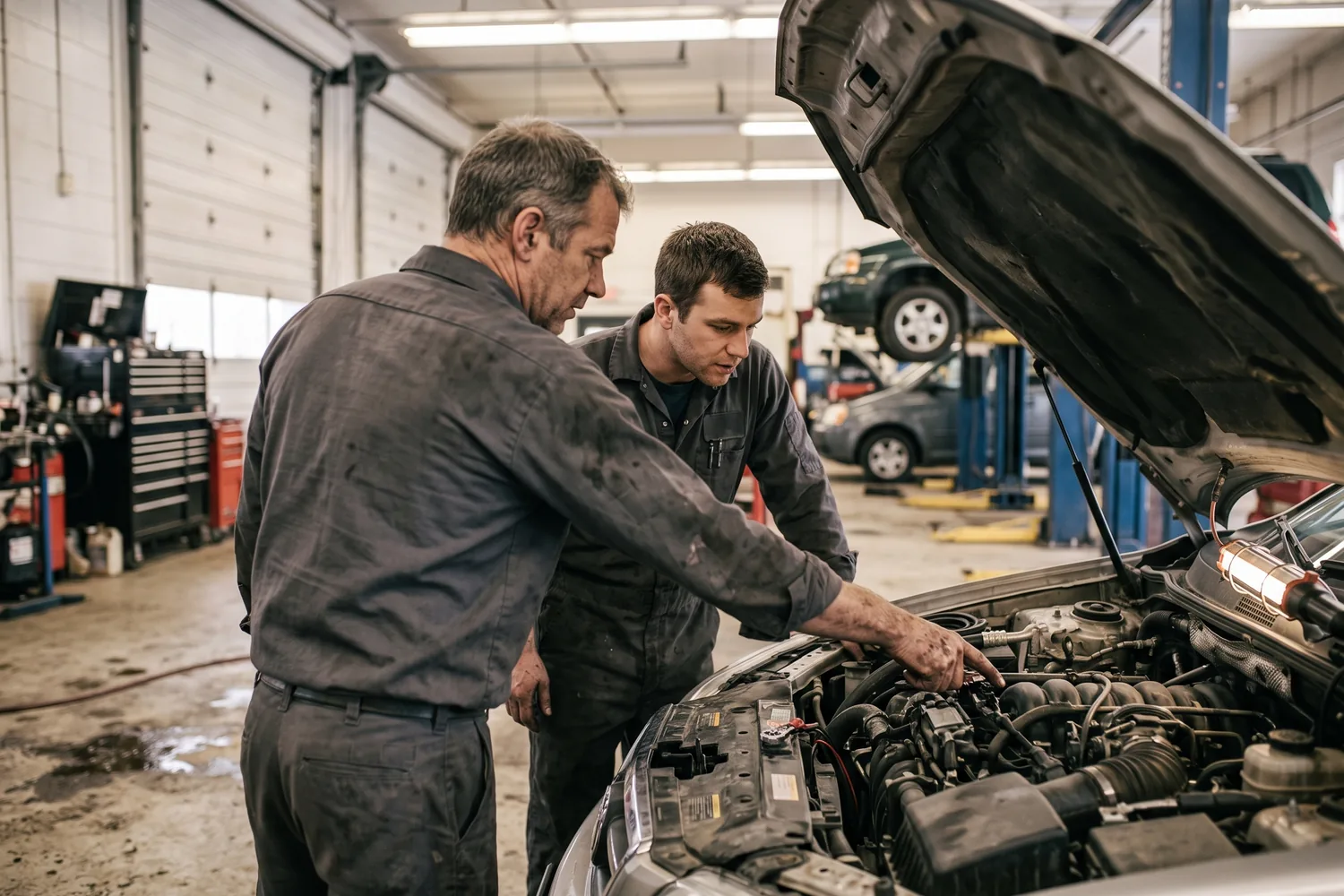
Job ads make claims. Shops leave evidence.
Look at the language in most technician ads. Great culture. State-of-the-art equipment. Career growth. Awesome team. We treat our technicians like family.
Maybe all of that is true. But every employer gets to type those words into Indeed.
Show me instead.
- If you have good equipment, show it being used.
- If you train people, show somebody learning.
- If you have excellent technicians, show them solving something.
- If people stay ten years, introduce one of them.
- If you do interesting work, let me see what comes through the bays.
- If your people actually like each other, there will eventually be photographic evidence.
You don’t need to tell a technician that this is a serious shop. Give him enough evidence and he’ll decide it himself.
That conclusion is worth far more than the claim, because he reached it on his own.
Put your technicians in the picture.
This sounds obvious. It often isn’t.
Look at enough shop accounts and you see cars, parts, cars, promotions, cars, logo, cars, more parts. The people who make the business valuable somehow never appear.
That’s a mistake for customers. It may be a bigger one for recruiting.
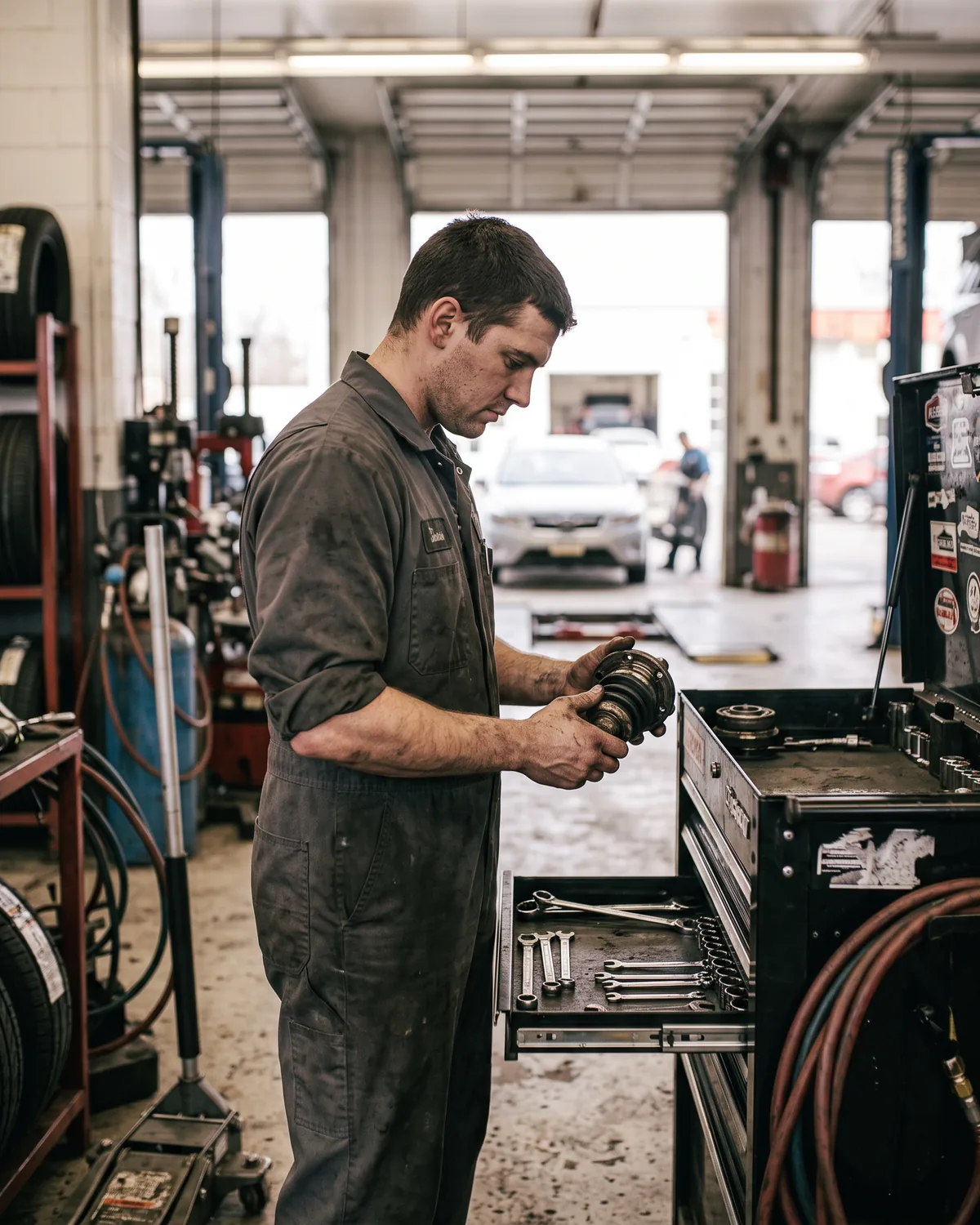
A technician considering your shop wants to see the people he might spend his week with. Who works there? What are they good at? What do they work on? Is anybody learning? Does the place seem organized? Do the technicians look like professionals or hostages?
You don’t need staged team photography. In fact, don’t stage much of anything.
Show Tuesday.
Show the work a good technician would respect.
This is different from showing customers what they find interesting.
A customer may respond to the dramatic failed part. Another technician cares about how your guy diagnosed it.
That gives you surprisingly good material.
- A strange waveform.
- An intermittent fault.
- A teardown.
- A difficult electrical diagnosis.
- The equipment used to find something.
- A technician explaining why the first symptom pointed the wrong way.
- The repair three other people came over to look at.
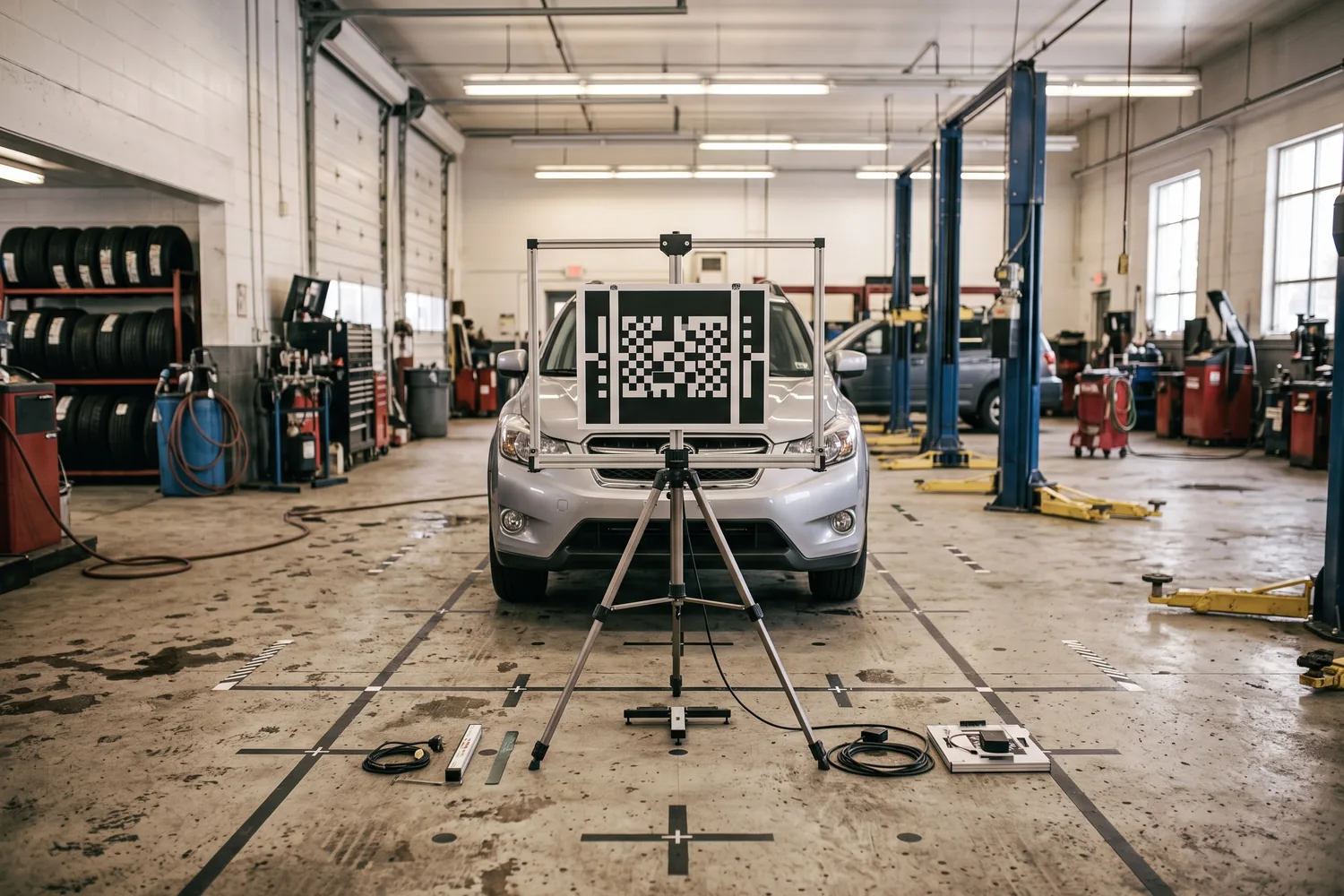
One of these can become a single post. Or show the progression. PostShop supports photo carousels, so one submission can show the complaint, what you found, the technician working through it, and the result as a sequence, rather than cramming an entire repair into one image. It adapts the same submission for the other platforms it publishes to.
Now the prospective technician isn’t reading that you do interesting work. He’s seeing it.
Let the technicians send the interesting stuff.
There is one practical problem with this whole idea.
The owner usually isn’t standing next to the interesting thing when it happens. Mike is talking to a customer, writing something up, chasing a parts problem, answering a call. The engine is apart in Bay 5. By the time he gets there, it isn’t.
So don’t make one person responsible for noticing everything.
PostShop can authorize additional people in the shop to submit photos and video. They send what happened; the account still controls what actually publishes.
- A technician sees something unusual? Send it.
- Service advisor gets a great before-and-after? Send it.
- Somebody finds a repair that deserves to be seen? Send it.
Your social presence starts coming from the shop, instead of from the one person who happened to remember that the shop has social media.
You don’t need to turn technicians into content creators.
This deserves clarification. Do not call a meeting and announce that everyone is now responsible for building their personal brand. Somebody may quit on principle.
The technician still has one job: be a technician.
Sometimes a photograph is enough. Sometimes thirty seconds of explanation is better. PostShop can turn a still photo into a short vertical video and use a recorded voiceover with subtitles, giving you the transcript to check before anything publishes.
That means your lead technician can explain an interesting diagnosis without learning to edit video, add captions, resize anything or work out which platform wants which format.
He talks. Then he goes back to the car. Good arrangement.
Your part stays small on purpose. See something worth showing, send it, approve the draft, get back to work. PostShop handles the writing, the platform versions, the publishing and everything after.
Start 5 days free$199/month, everything included · 5 days free before you’re charged · Cancel anytime
“We’ll do this for a week and then forget.”
Probably.
You run an auto repair shop. Social media ranks somewhere below payroll, broken lifts and the customer who is absolutely certain the noise wasn’t there when he dropped the car off.
This is why PostShop doesn’t depend on somebody remembering to feed a scheduler. If your account goes quiet, it can text three specific things worth photographing based on your business, rather than handing you a generic content calendar and wishing you luck.
Busy Tuesday? Send what you have. Extra submissions sit in the queue and feed the quieter days instead of being thrown away.
Real shops are uneven. Your social presence can be too.
Your reviews are part of the interview.
The technician isn’t only looking at your posts. He’s reading your reviews.
That’s useful, because customers reveal things about a shop that its own marketing never will. Consider the difference.
What the website says
We value honesty
Expert technicians
Great communication
What ten customers say
“They told me I didn’t need the repair yet.”
“Two other shops couldn’t figure it out. These guys did.”
“They showed me exactly what failed and explained my options.”
Those reviews don’t only recruit customers. They describe the environment a technician would be joining.
PostShop makes getting more of them simple. After a good job, text REVIEW and the Google review request goes to the customer you just finished with. No campaign. No review-management meeting.
Then watch what people respond to.
You may discover something useful.
Maybe posts featuring your technicians consistently outperform pictures of cars. Maybe customers keep praising explanations. Maybe your more technical posts attract other mechanics. Maybe everyone is fascinated by diagnostic work. Maybe nobody cares about the thing you assumed everybody cared about.
That last one is valuable too.
PostShop’s reporting looks across publishing results and, depending on the report, reviews and comments as well. The strategy report is designed to end with specific things to do next rather than an analytics dashboard for you to interpret.
Not the goal
Increase engagement by 13%
The goal
People keep responding when the technicians explain what they found.
Show more of that.
That’s something a shop can actually use.
The technician is interviewing you too.
Shop owners understandably spend a lot of time asking how to find good technicians. Where should we advertise? What should we pay? Should we recruit from schools? Should we offer a tool allowance? Should we hire apprentices?
All worth asking. But once a good technician discovers you, another competition begins. He has to decide whether your shop deserves him — and he’s increasingly making part of that judgment before you ever know his name.
He sees your reviews. Your website. Your people. Your work. Your shop.
Or he sees nothing.
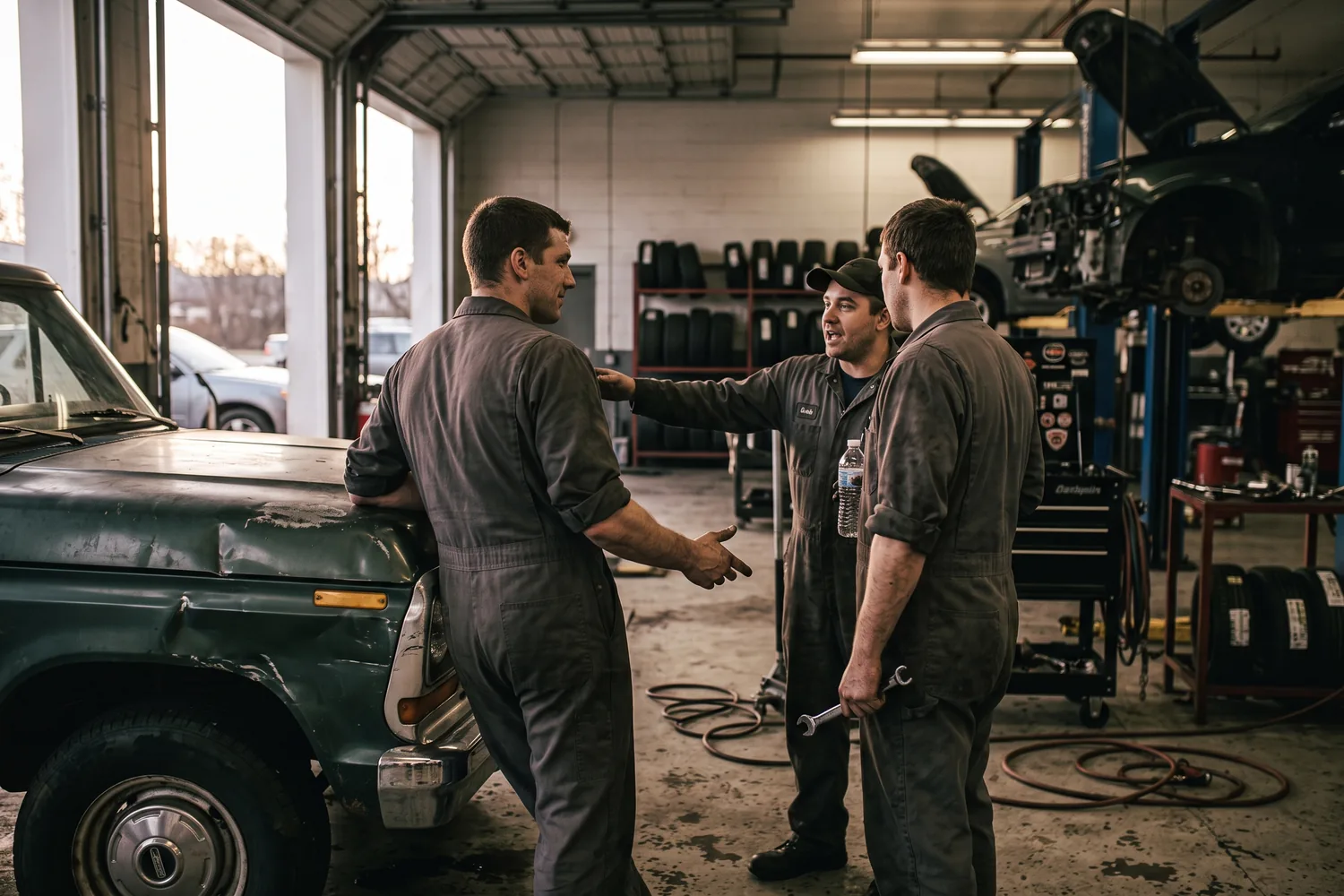
Maybe that’s the part worth fixing. Not by building a prettier recruiting campaign, but by making the good things already happening inside the building visible outside it.
Your next great technician may already be looking.
Give him something worth finding.
Technician survey figures: WrenchWay (now ASE Connects), 2024 Technician & Mechanic Statistics. Workforce figures: TechForce Foundation, Technician Supply, Demand & Opportunity Report, 2026.