Essays on being found without losing the writing.
Longer arguments than a homepage can carry: a twelve-part series, four shorter essays on the same question, and five on where PostShop fits.
A Few Hundred Readers
Twelve essays on social media for writers who would rather be writing: how to document a working life so readers gather around it, where your few hundred true readers actually are, and the inner game of doing any of it as yourself. Read them in order, or start with whichever one you need today. Start with Part I →

The practice
Documenting a working life so readers gather around it.

The map
Where your readers actually are, and how to be there without living online.
The inner game
Doing any of it as yourself, and keeping it from eating the writing.
Four shorter essays.
You don’t need better posts. You need to show up.
Chasing the perfect post is the most reliable way to end up posting nothing at all — and in 2026 the perfect post is not even what works.

The book needs your time. Your readers still need to find you.
You do not need a second body of work called Content. You need the first one to leave evidence behind.

Social media was supposed to connect us. We turned it into a content machine.
How sharing became performing, why writers feel it worse than anyone, and what a machine should and should not be allowed to do with your voice.

Every reader who loves a book knows someone else who would.
Most books that disappear were loved by someone. They disappear because the people who loved them never got around to saying so where it counts.
Where PostShop fits.
Five plain essays, one for each kind of person who brings books to readers: the real numbers behind their work, the gap that readers and the people who support them can fill, and what PostShop does about it.
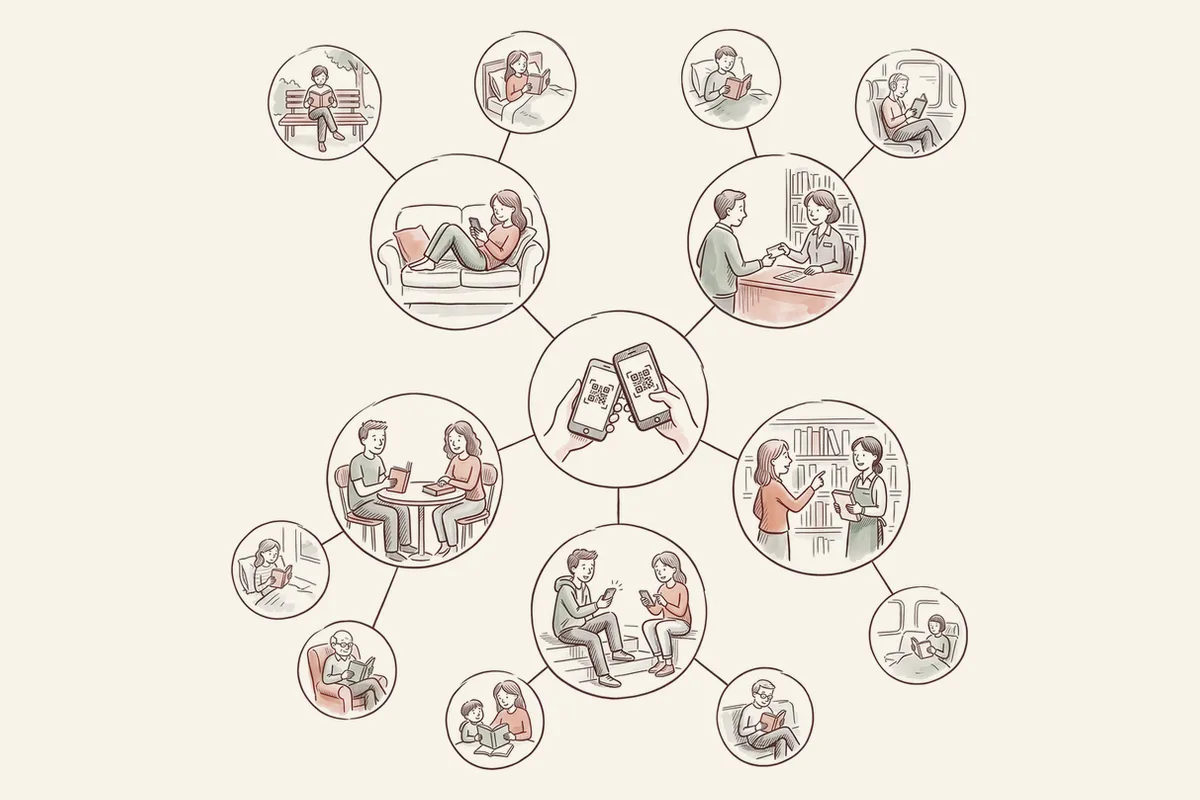
Before your book is published, it still needs readers.
Agents, journals and contests say no to almost everyone. The people who already believe in you can say yes today.
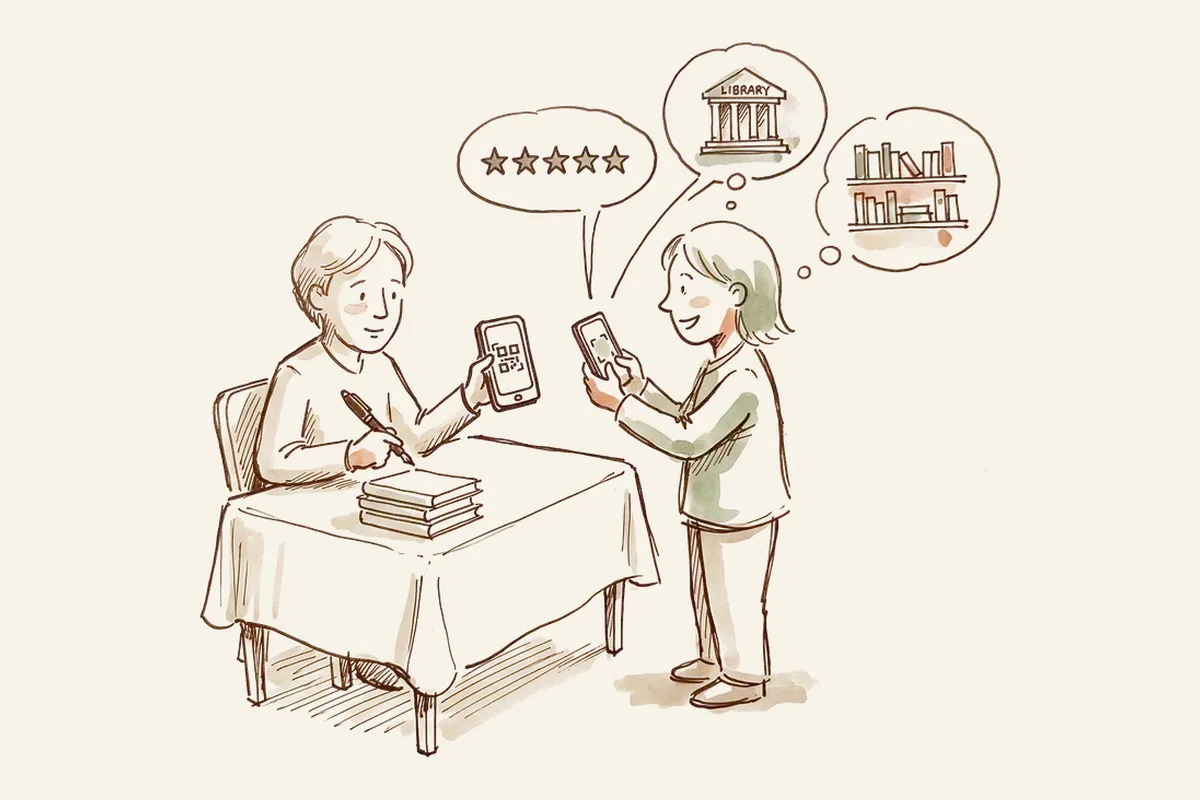
You don’t have a marketing budget. You have people who believe in you.
No ad budget will outspend the publishers. The readers who already love your book, and the people who love you, are the advantage you have.
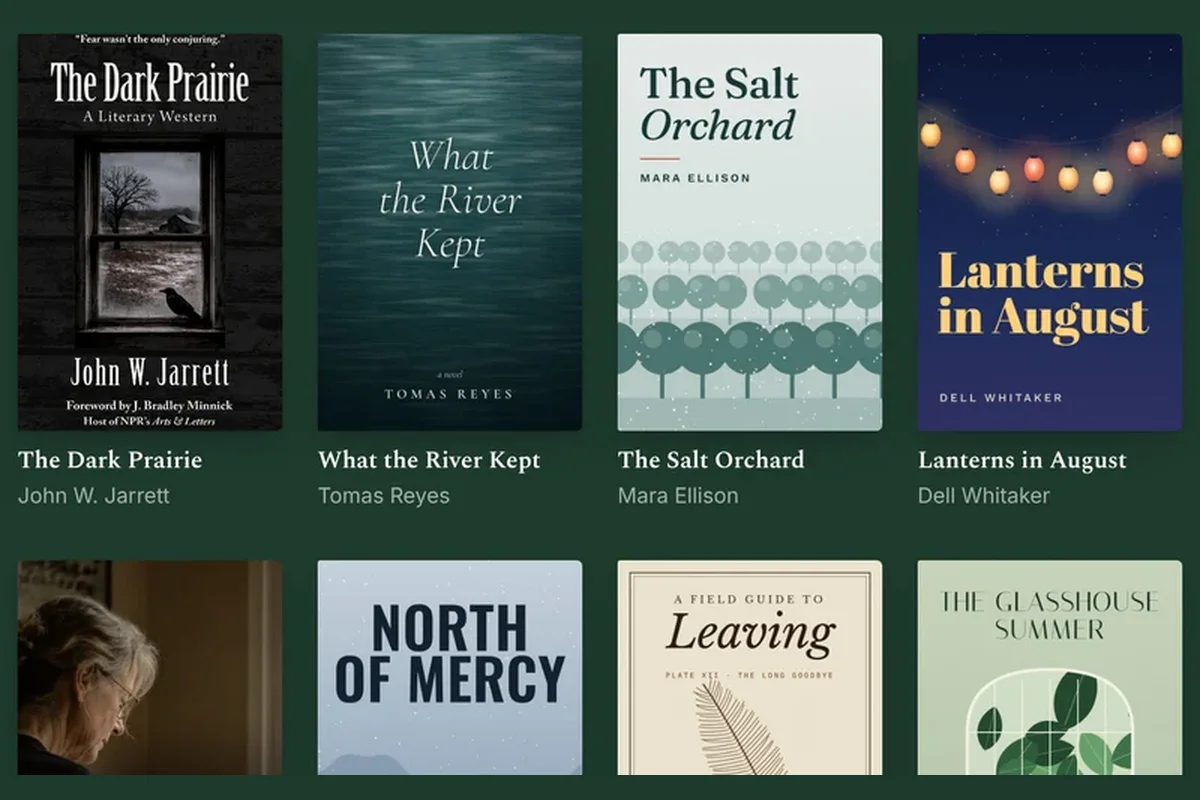
A press can launch a book. It can’t stand beside every reader who finishes it.
Small presses survive by helping one another. The readers who finish your books, and the authors who wrote them, will help too, if asking is easy.

Your contributors bring their own readers. Give them somewhere to send them.
Every writer you publish knows dozens of people who would read one piece, if someone handed it to them. Most of those people have never heard of your journal.
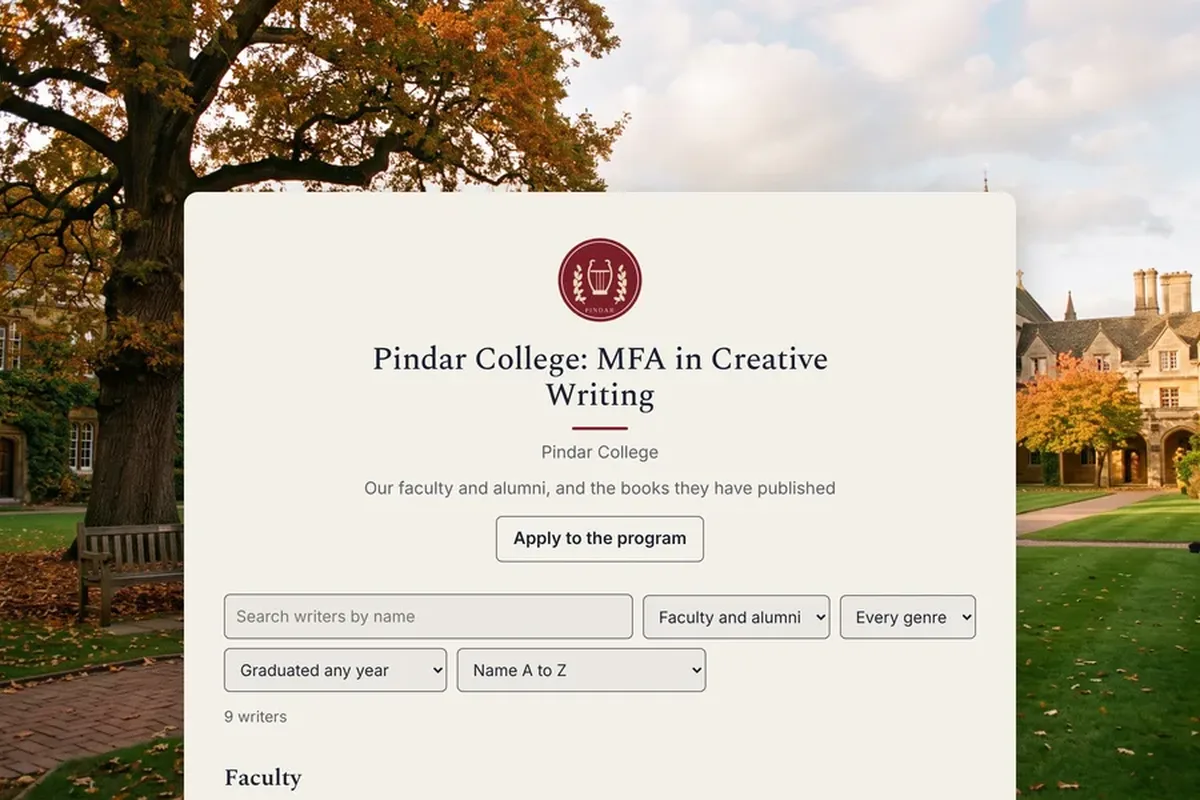
Every book your writers publish is evidence. Most of it is sitting in a list.
An alumni list shows a writing program works. A shelf where readers can review and request those books keeps them in circulation too.